

Tim Wildman Astro Bunny Pét' Nat' 2024
| Producer | Tim Wildman |
|---|---|
| Country | Australia |
| Region | South East Australia |
| Wine Type | Champagne / Sparkling Wine, Rosé Wine |
| Body / Style | Rosé |
| Grape Blend | 43% Arneis, 23% Zibbibo, 34% Others |
| Bottle Size (ml) | 750 |
| % Abv | 11.5 |
| Vintage | 2024 |
| Special Features | Vegan |
| Extra Info | Fun, fruity, frothy |
| Food Pairing Guide | Chill down, shake well before opening, and serve with Seafood and shellfish, salads, fresh fruit. |
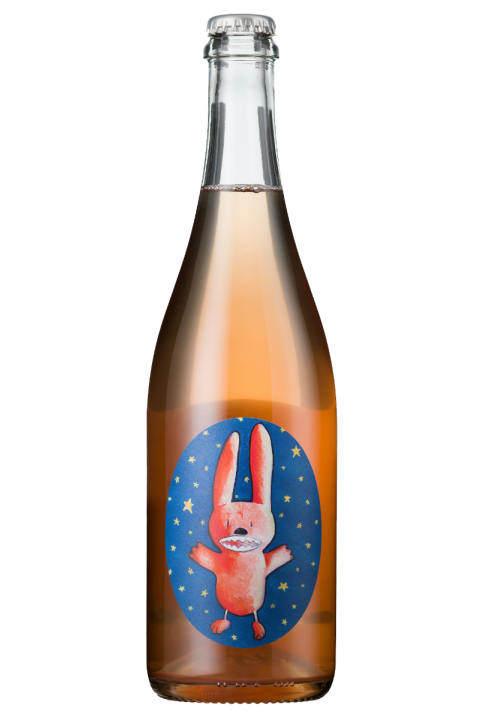

Astro Bunny Pét-Nat is Tim Wildman’s iconic and wildly fun sparkling blend, crafted from a mix of Arneis, Nero d’Avola, old-vine Zibibbo, and biodynamic Fiano. This vintage brings added texture and richness, wrapped in a hazy, peachy-orange glow. Aromas explode with white peach, tangerine, and lime, while the palate delivers vibrant flavours of nectarine, melon, and a hint of citrus zest. The bubbles are gentle and foamy, making it soft on the tongue and incredibly gluggable. Fresh, funky, and fault-free, it’s natural wine at its most charming—a fizzy bottle of pure joy.
Wildman Wine leads the charge of fun fresh and fault free Australian Pet-Nat, driven by the maverick spirit of founder and winemaker, Tim Wildman MW.
The production has evolved dramatically since the first vintage. Fruit, predominantly Nero d'Avola and Zibbibo, are now sourced from the top-quality regions of Adelaide Hills and McLaren Vale thanks to a growing network of contacts, with guest appearances from other Italian varietals, Arneis and Fiano. The charmingly named Astro Bunny and Piggy Pop have won over drinkers and journalists across the globe with their vibrant, complex yet easy-going characters.
The last couple of vintages in South Australia was cooler than average, with no summer days over 40 degrees (104F) which allowed the fruit to ripen slowly and achieve maximum flavour ripeness without losing freshness or acidity.
The whites were picked early to retain acidity and obtain lower alcohol levels, with the Fiano and Pecorino picked the earliest followed by the aromatic varieties and reds a few weeks later