

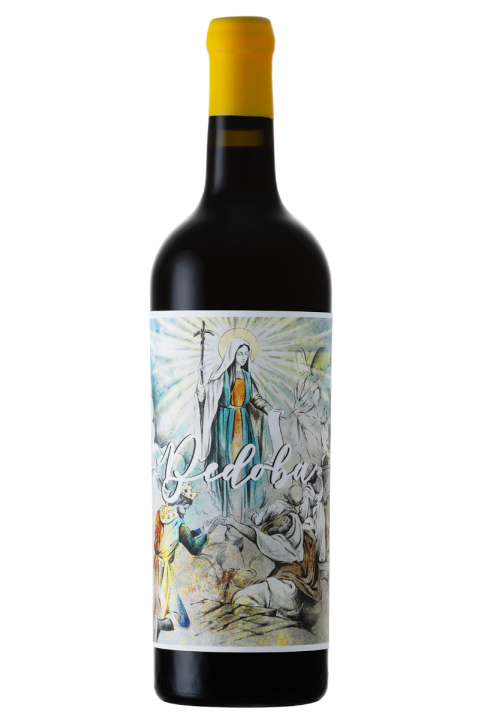
Bedoba Saperavi Reserve 2020
A powerful yet refined red offering dark fruit, spice, and firm structure. Rich and concentrated, with freshness and balance that make it excellent for the table.
£23.95
| Producer | Bedoba |
|---|---|
| Country | Georgia |
| Region | Other |
| Wine Type | Red Wine |
| Grape Blend | 100% Saperavi |
| Bottle Size (ml) | 750 |
| % Abv | 13.5 |
| Vintage | 2020 |
| Special Features | Sustainable, Vegan |
| Extra Info | Structured Georgian Saperavi |
| Food Pairing Guide | Ideal with grilled or slow-braised lamb, beef short ribs, venison, and chargrilled steaks. Also pairs beautifully with spiced dishes, mushroom-based recipes, aged hard cheeses, and traditional Georgian cuisine such as khinkali or mtsvadi. |
| Terroir | Black shale |

Bedoba Saperavi Reserve showcases the depth and character of Georgia’s flagship grape. Deeply coloured and expressive, the wine opens with aromas of black cherry, blackberry, liquorice, and subtle oak spice. The palate is full-bodied and structured, with ripe tannins, vibrant acidity, and layers of dark fruit and savoury notes unfolding through a long, persistent finish. Oak ageing adds complexity without overpowering the fruit, resulting in a wine that is both robust and polished. A compelling expression of Saperavi that reflects Georgia’s ancient winemaking heritage in a modern, confident style.
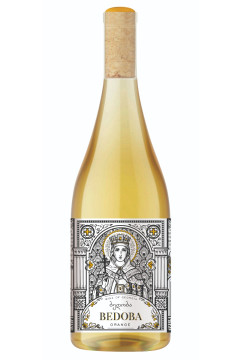
Bedoba, which translates to `Day of Luck’, is a Georgian winery primarily dedicated to making wines from the countries indigenous Saperavi grape, partially vinified in traditional qvevri vessels. Bedoba’s Saperavi grapes hail from vines with an average age of 30 years old. These are planted in the renowned wine region of Kakheti (near the eastern border with Azerbaijan) in the Kvareli and Kindzmarauli appellations along the Duruji River valley. The soils here are rich in black shale and the southern slopes of the Caucasus Mountains provide elevations of over 400 metres, creating fresh acidity and soft tannins. Bedoba embraces sustainable and organic practices, alongside hand-harvesting and careful sorting of the dark-skinned, red-fleshed Saperavi grapes. The original winery, whose cellars date back to 1737, was founded by the Konchosvilli family who had a close relationship with the church (`koncho` means cross). Winemakers Nugzar Ksovreli and Thierry Fontannaz honour this history on Bedoba’s label, with the icon of Saint Nina, whose apostolic work has contributed to the spread of Christianity in Georgia.
Bedoba, which translates to `Day of Luck’, is a Georgian winery primarily dedicated to making wines from the countries indigenous Saperavi grape, partially vinified in traditional qvevri vessels. Bedoba’s Saperavi grapes hail from vines with an average age of 30 years old. These are planted in the renowned wine region of Kakheti (near the eastern border with Azerbaijan) in the Kvareli and Kindzmarauli appellations along the Duruji River valley. The soils here are rich in black shale and the southern slopes of the Caucasus Mountains provide elevations of over 400 metres, creating fresh acidity and soft tannins. Bedoba embraces sustainable and organic practices, alongside hand-harvesting and careful sorting of the dark-skinned, red-fleshed Saperavi grapes. The original winery, whose cellars date back to 1737, was founded by the Konchosvilli family who had a close relationship with the church (`koncho` means cross). Winemakers Nugzar Ksovreli and Thierry Fontannaz honour this history on Bedoba’s label, with the icon of Saint Nina, whose apostolic work has contributed to the spread of Christianity in Georgia.
Made from the indigenous Saperavi grape, Bedoba Reserve comes from Kakheti, Georgia, one of the world’s oldest wine regions. The wine is produced from low-yielding vineyards and aged in oak to add depth and structure, while preserving the grape’s natural intensity and acidity.
With an average age of 30 years, the Saperavi vines behind Bedoba are planted in the renowned wine region of Kakheti, near the eastern border with Azerbaijan in the Kvareli and Kindzmarauli appellations along the Duruji River valley. The soils here are rich in black shale, and the southern slopes of the Caucasus Mountains provide altitudes of over 400 metres above sea level, bringing fresh acidity and soft tannins. Sustainable and organic practices are observed, as well as hand-harvesting and careful sorting of the dark-skinned and red-fleshed Saperavi grapes.
A small fraction of the fruit is fermented in whole bunches, and a selection of the grapes are left to dry naturally on the vines until November, ensuring a fine balance between the savoury and spicy elements of the grape. Stainless steel tanks and clay qvevri pots are used for fermentation, encapsulating the combination of innovation and tradition employed by Ksovreli and Fontannaz. Second and third fill American oak barrels as well as 5000L wooden vats are employed for ageing, before a further 12 months in bottle contributes to a seamless texture.
Write Your Own Review
Other Similar Wines


Other Wines From This Producer