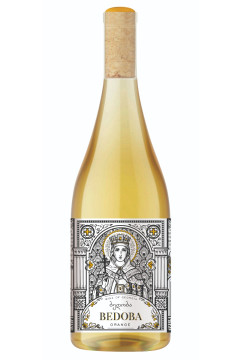


Bedoba White 2024
A crisp, expressive white with citrus, orchard fruit, and floral notes. Bright, balanced, and easy to enjoy.
£19.95
| Producer | Bedoba |
|---|---|
| Country | Georgia |
| Region | Other |
| Wine Type | White Wine |
| Grape Blend | 70% Rkatsiteli and 30% Kisi |
| Bottle Size (ml) | 750 |
| % Abv | 13.5 |
| Vintage | 2024 |
| Special Features | Sustainable, Vegan |
| Extra Info | Fresh Georgian white |
| Food Pairing Guide | Ideal with grilled fish, seafood salads, roast chicken, soft cheeses, and vegetable dishes. Also works well with fresh herbs, citrus-led recipes, and lightly spiced or aromatic cuisines. |
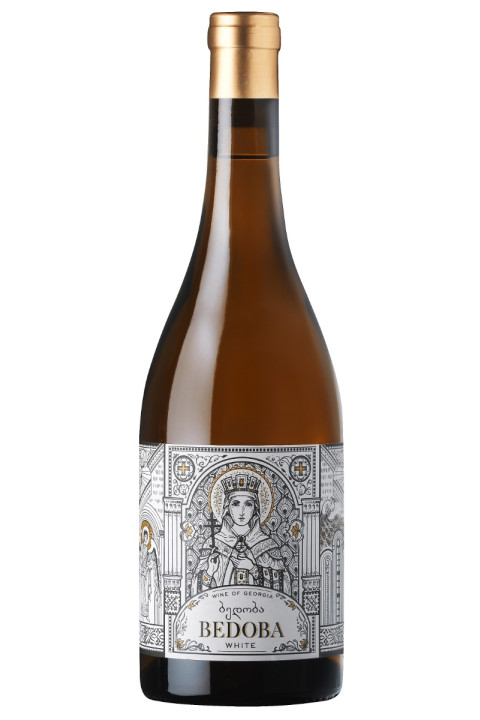

Bedoba White Wine offers a fresh and modern expression of Georgia’s native white grapes. Aromas of lemon zest, green apple, pear, and subtle floral tones lead into a lively palate marked by crisp acidity and clean fruit definition. The wine is light to medium-bodied, with a refreshing finish that highlights its purity and balance. Crafted to showcase varietal character rather than weight or oak, this is an elegant, versatile white that pairs effortlessly with food and provides an accessible entry point into Georgian wines.
Bedoba, which translates to `Day of Luck’, is a Georgian winery primarily dedicated to making wines from the countries indigenous Saperavi grape, partially vinified in traditional qvevri vessels. Bedoba’s Saperavi grapes hail from vines with an average age of 30 years old. These are planted in the renowned wine region of Kakheti (near the eastern border with Azerbaijan) in the Kvareli and Kindzmarauli appellations along the Duruji River valley. The soils here are rich in black shale and the southern slopes of the Caucasus Mountains provide elevations of over 400 metres, creating fresh acidity and soft tannins. Bedoba embraces sustainable and organic practices, alongside hand-harvesting and careful sorting of the dark-skinned, red-fleshed Saperavi grapes. The original winery, whose cellars date back to 1737, was founded by the Konchosvilli family who had a close relationship with the church (`koncho` means cross). Winemakers Nugzar Ksovreli and Thierry Fontannaz honour this history on Bedoba’s label, with the icon of Saint Nina, whose apostolic work has contributed to the spread of Christianity in Georgia.
Bedoba, which translates to `Day of Luck’, is a Georgian winery primarily dedicated to making wines from the countries indigenous Saperavi grape, partially vinified in traditional qvevri vessels. Bedoba’s Saperavi grapes hail from vines with an average age of 30 years old. These are planted in the renowned wine region of Kakheti (near the eastern border with Azerbaijan) in the Kvareli and Kindzmarauli appellations along the Duruji River valley. The soils here are rich in black shale and the southern slopes of the Caucasus Mountains provide elevations of over 400 metres, creating fresh acidity and soft tannins. Bedoba embraces sustainable and organic practices, alongside hand-harvesting and careful sorting of the dark-skinned, red-fleshed Saperavi grapes. The original winery, whose cellars date back to 1737, was founded by the Konchosvilli family who had a close relationship with the church (`koncho` means cross). Winemakers Nugzar Ksovreli and Thierry Fontannaz honour this history on Bedoba’s label, with the icon of Saint Nina, whose apostolic work has contributed to the spread of Christianity in Georgia.
Produced in Kakheti, Georgia, Bedoba White Wine is made from indigenous Georgian white grape varieties. Fermented primarily without skin contact, the winemaking focuses on freshness, purity of fruit, and natural acidity to create an approachable, food-friendly style.
This wine is made from grapes sourced from vineyards located inthe classic and traditional microzones of Kindzmarauli and Kvareli, in the Kakheti region. Bedoba White blend is made from 70% Rkatsiteli and 30% Kisi, which are Georgian grape varieties with unique characteristics. The Rkatsiteli comes from 25-year-old vines rooted in the region’s characteristic black slate soil, which reaches a depth of eight meters. This lends the grapes a very strong personality and concentration and distinctive minerality to the wine. The Kisi grapes come from younger vineyards, planted closer to the hill in a cooler microclimate on limestone soil.
Write Your Own Review
Other Similar Wines

Blandy's Madeira 10 Years Old Malmsey Madeira (Rich) N.V.
Special Price
£32.95
Regular Price
£38.95



Other Wines From This Producer