

Catherine Marshall Chenin Blanc Fermented in Clay 2024
The Chenin is meticulously grown in the cool Elgin Valley and a small portion from old bush vines in Stellenbosch
Aromatic
£24.95
| Producer | Catherine Marshall |
|---|---|
| Country | South Africa |
| Region | Western Cape |
| Wine Type | White Wine |
| Body / Style | Aromatic |
| Grape Blend | 100% Chenin Blanc |
| Bottle Size (ml) | 750 |
| % Abv | 12.5 |
| Vintage | 2024 |
| Special Features | Vegan |
| Extra Info | Clay pot Chenin |
| Food Pairing Guide | Japanese Edomae sushi, Indonesian styled fare, tempura vegetables, pea shoot/ young stem broccoli with lemon infused risotto. RECOMMENDED BOTTLE MATURATION: The wine is approachable in its youth with fresh, bright aromatics and may age well for up to 8 years. |
| Terroir | Kogelberg Biosphere, Elgin Valley, South Africa Bottelary Hills, Stellenbosch, South Africa |
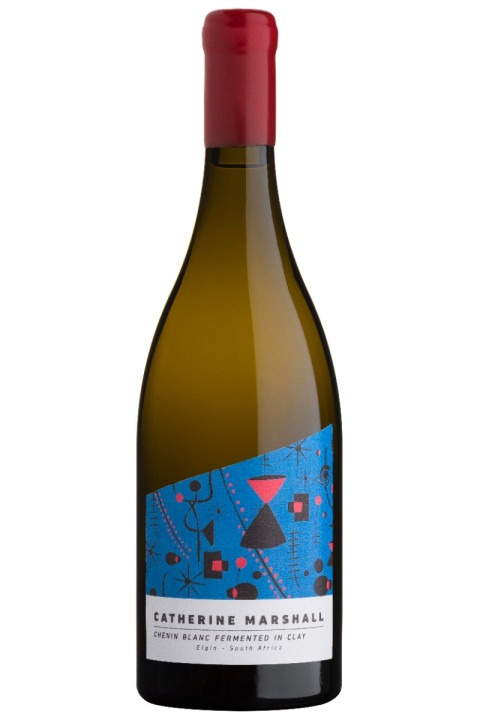

Catherine Marshall Chenin Blanc Fermented in Clay is fermented in handmade, old world styled traditional clay amphorae. This affords a wine with broad layers of ripe pears, fresh stone fruit and white flowers on a canvas of flinty, wet stone that contributes to the overall texture. Primary fruit aspects include white pears, fresh nectarines and may evolve into almond paste, baked apple and spicy cardamom notes.
Chenin for the Fine Art Collection reflects a sophisticated approach to a variety that is widely planted in the Western Cape. A cool site in a unique part of the Elgin Valley is selected specifically for its flinty, wet stone attributes that would enhance restraint and classical notes with a modern new world touch. The Chenin from the Bottelary Hills in Stellenbosch contributes fleshy apricot and nectarine richness on the mid palate for added complexity.
Grapes are selected from a single vineyard in Elgin grown on red Laterite Soils also known as “koffieklip” or coffee stone as it resembles the same structure as ground coffee granules.
The vines are vertically shoot positioned on a 5-wire fence trellis system planted 2.2m x 1.2m apart on south to south- east facing vineyards for maximum, even budburst in spring and even vine ripening throughout the season. The Chenin grown in Bottelary Hills is from old bush vines on lighter soil structure. Harvest takes place in early March at vine ripeness.
Cluster and berry sorting prior to being partially crushed before pressing commenced. The mash is pressed in a pneumatic bag press where both free run and pressed juice fractions are treated oxidatively with minimal chemical additives.
The juice is settled cold at 120 Celsius in a stainless- steel tank for two days and decanted into the clay amphorae for spontaneous fermentation. Once fermentation is completed, a fraction is decanted to oak casks for further maturation. The wine in the French coopered barrels partially goes through a secondary fermentation known as malo- lactic fermentation where malic (the firmer green apple tasting acid) is converted to lactic (softer milk tasting acid) and further matured for 9 months. The clay amphorae has no malo-lactic fermentation so that the fresher flinty character is maintained. After 9 months, the two components are blended and bottled.
Write Your Own Review
Other Similar Wines




Other Wines From This Producer