

Messmer Made in Pfalz Weissburgunder Trocken 2023
| Producer | Weingut Messmer |
|---|---|
| Country | Germany |
| Region | Pfalz |
| Wine Type | White Wine |
| Body / Style | Crisp & Dry, Fruit Notes |
| Grape Blend | 100% Pinot Blanc |
| Bottle Size (ml) | 750 |
| % Abv | 11.5 |
| Vintage | 2023 |
| Special Features | Sustainable |
| Extra Info | Floral and delicate |
| Food Pairing Guide | Dry Weissburgunder is a good match for pork, chicken and veal dishes |
| Terroir | slate, red sandstone, granite, limestone, loam, sand and ‘muschelkalk’ - a calcareous soil with substantial deposits of fossilised mussel shells |
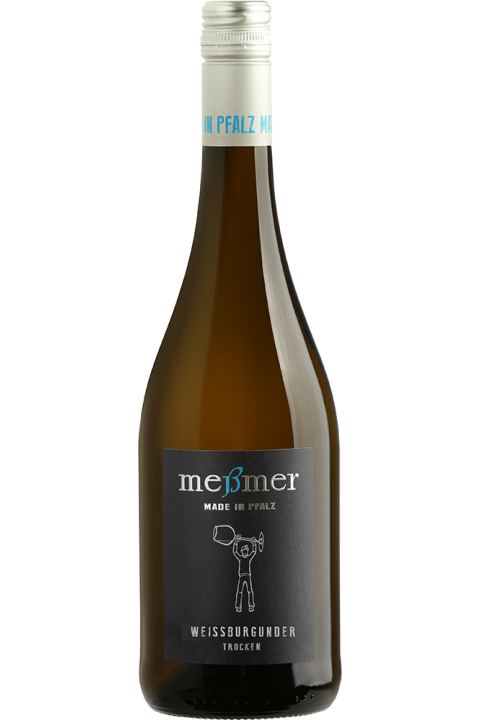
Messmer Weissburgunder (or Pinot Blanc as it is otherwise known) is a great wine made from one of our favourite white grapes. It's delicately floral with aromas of nectarine and nutmeg, and on the palate is dry and clean yet weighty, with refreshing lemoniness and lasting finish. Perfect with Cesar Salad or pork schnitzel.
Produced from Weissburgunder grapes grown on the family's estate, along with some sourced from neighbours who they've worked with for around 30 years.
Weingut Messmer, in the Pfalz region, was founded by Herbert and Elizabeth Messmer in 1960. It’s situated in Burrweiler, in the south-west of Germany, less than 50 miles from the border with France and to the north-west of Stuttgart. The yellow sandstone buildings had already been home to winemaking for around 250 years before they arrived.It’s still in the family’s hands today, with son Martin overseeing the estate alongside his brother Gregor, who supervises production in the vineyard and winery. Their vineyards cover 27 hectares, with around two-thirds of the area planted with white varieties (predominantly Riesling, Pinot Gris and Pinot Blanc) and the rest with red varieties (Pinot Noir in the main). The terroir is made up of seven different soil types: slate, red sandstone, granite, limestone, loam, sand and ‘muschelkalk’ - a calcareous soil with substantial deposits of fossilised mussel shells. Gregor works to preserve the health and mineral content of the soils - they use only organic fertilisers, and in 2011 they began the biodynamic cultivation of some sites. In the winery fermentations are cool, slow and small batch; grapes are only ever partially de-stemmed; and wines are bottled without fining and with only the gentlest filtration